
System Requirements
- Architecture: x86_64 (emulated)
- RAM: 8 GB minimum
- Storage: 60 GB
- Display: qxl-vga
Login Credentials
- Note:
Follow setup wizard to create account
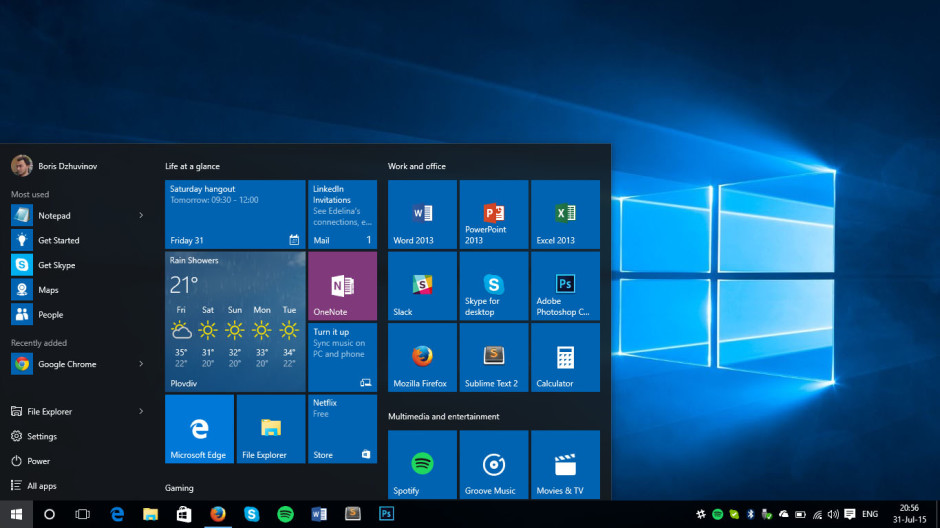
Windows 10 – modern Windows operating system with wide application compatibility and regular updates.
Setup Guide
Download Windows 10 ARM Image
Use a trusted Windows 10 ARM64 installation image (Microsoft no longer publicly lists it, but Insider ISO or UUP-based ARM64 builds work).
Make sure the file is ARM64 — x86/x64 images do not work in virtualization on Apple Silicon.
Create a New VM in VMC
Open VMC → click New VM (or +).
Select Windows 10 ARM or Virtualize → ARM64 OS.
Ensure Architecture = ARM64.
Configure VM Resources
RAM: at least 4–8 GB (8 GB recommended).
CPU: 4+ cores for better responsiveness.
Storage: create a virtual disk 40–60 GB.
Attach the Installer ISO (or VHDX)
In Installer / CD-ROM, choose your Windows 10 ARM ISO or Windows 10 ARM VHDX.
If your ISO boots into the Windows setup, continue to Step 5.
If you are using a preinstalled VHDX, simply attach it as the primary disk.
Start the VM and Install Windows
Boot the VM → Windows Setup should appear.
Choose language/keyboard.
Select Custom installation → choose the virtual disk.
Proceed with the normal Windows setup.
Install Guest Tools / Drivers
Once Windows starts for the first time, install VMC Guest Tools (if available) to enable:
Proper display resolution
Networking drivers (virtio-net)
Clipboard and pointer integration
Reboot when finished.
Troubleshooting
Installer doesn’t boot
Ensure your image is ARM64 and not x86/x64.
Try switching the virtual machine to “UEFI boot” if available.
No Internet during setup
Skip network setup (if allowed) → complete install → install guest tools to enable network.
Windows boots but display is low-resolution
Install guest tools
Or enable
virtio-ramfb-glin video settings (if your VMC build supports it).
Slow performance
Increase RAM/CPU allocation.
Close other heavy apps on the host.
Using a VHDX image instead of ISO
Attach the VHDX as the VM’s main disk.
Set boot order: Disk → ISO (or just eject ISO).